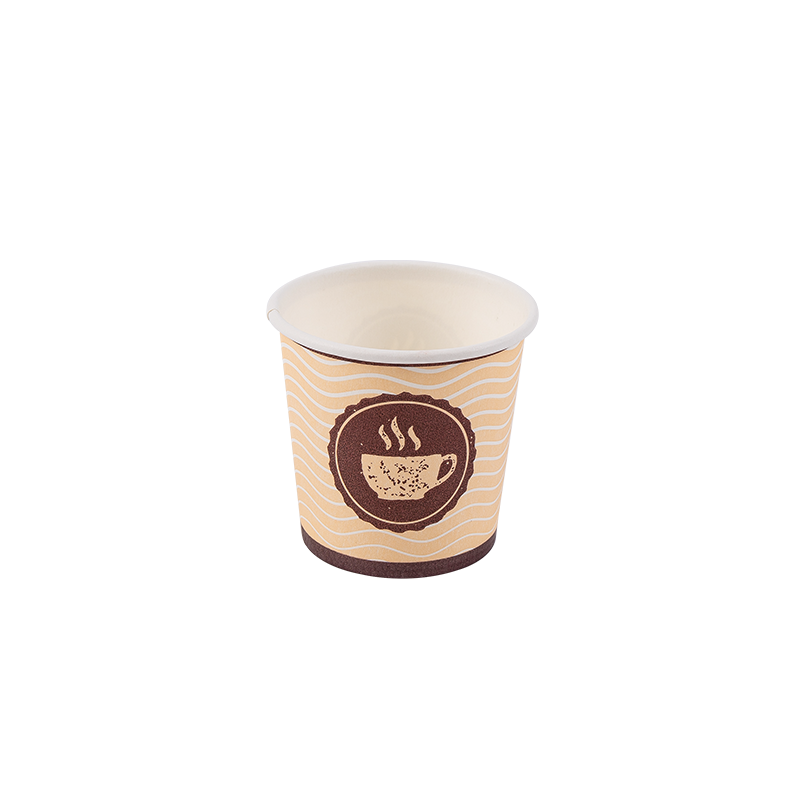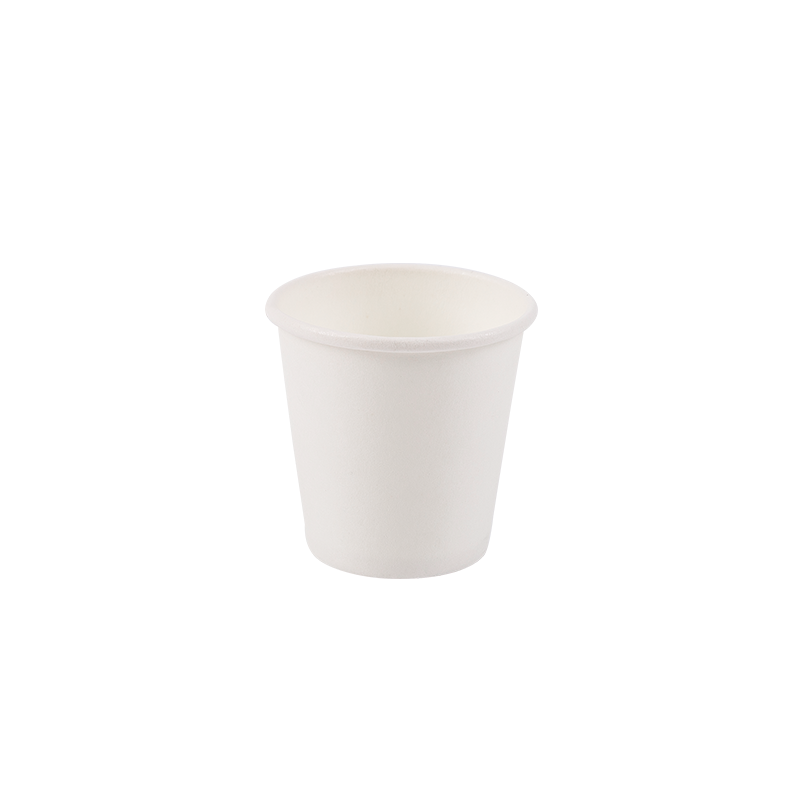



Fra skog til fastfood: Den Making of the Bowl
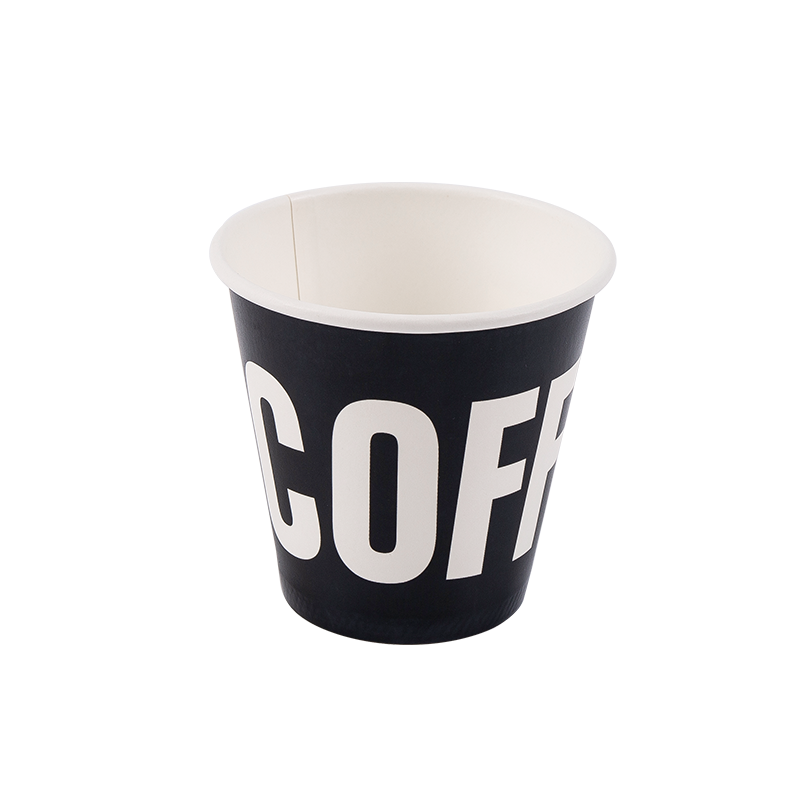
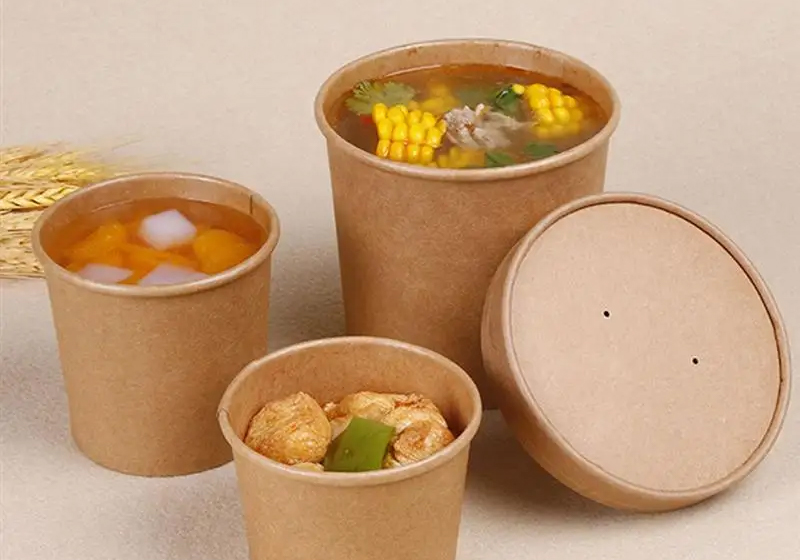
Den enkle, solide beholderen som inneholder din rykende varme takeaway-ramen eller chili—den Engangssuppeskål av papir — er en ubesunget helt i den moderne grip-og-gå-livsstilen. Men hva er egentlig denne tilsynelatende ufarlige gjenstanden, og hvordan er den laget?
Kjernen: Cellulose og bærekraft
I hjertet er bollen primært laget av tremasse, en bærekraftig og fornybar ressurs. Denne massen bearbeides og formes til den kjente formen. Mens papir er biologisk nedbrytbart, vil en vanlig papirskål raskt bli fuktig når den er fylt med væske. Det er her ingeniørkunsten kommer inn.
Barrieren: Holder varmen inne og fuktigheten ute
For å gjøre bollen væsketett og varmebestandig, må papiret belegges. Historisk sett var dette belegget ofte et tynt lag av polyetylen (PE) plast. Denne plastbarrieren gjør underverker for å forhindre lekkasjer og opprettholde bollens strukturelle integritet, men den skaper også en betydelig komplikasjon for resirkulering, siden det er vanskelig og kostbart å skille papiret fra plasten.
Nylig har produsenter utviklet alternativer til PE, for eksempel plantebasert polymelkesyre (PLA) foringer (ofte merket som "komposterbare") eller spesielle vannbaserte belegg. Disse innovasjonene tar sikte på å gjøre Engangssuppeskål av papir et grønnere alternativ, men deres effektivitet avhenger sterkt av de spesifikke avfallshåndteringsanleggene som er tilgjengelige i et gitt område.
Den miljømessige gåten: komposterbar, resirkulerbar eller deponi?
Miljøpåvirkningen av disse bollene er et komplekst puslespill, som ofte fører til forbrukerforvirring ved avfallsbeholderen.
Utfordringen med "komposterbar"
En bolle merket "komposterbar" betyr vanligvis at den er foret med PLA eller lignende bioplast. Mens PLA er designet for å brytes ned, krever det vanligvis spesifikke forhold som bare finnes i industrielle komposteringsanlegg - høy varme og mikrobiell aktivitet. Å kaste en PLA-foret bolle i en bakgårdskomposthaug eller et vanlig deponi vil sannsynligvis ikke resultere i rask nedbrytning. Videre, hvis en PLA-skål ved et uhell havner i papirresirkuleringsstrømmen, kan den forurense partiet.
Problemet med plastforet papir
De fleste tradisjonelle Engangssuppeskål av papirs med PE-foringer er ikke lett resirkulerbare i standard kommunale programmer. Fordi papir- og plastlagene ikke lett kan skilles, behandles de vanligvis som blandet materialavfall og sendes til et deponi. Dette er en primær driver bak presset for bedre beleggsteknologier.
Sikkerhet og vitenskap: Effekten av varme
Utover bærekraft oppstår ofte spørsmålet om sikkerhet, spesielt når en kokende varm væske er involvert.
Utvaskingsbekymringen
Når varm mat eller væske kommer i kontakt med bollens indre fôr, er det et potensial for kjemisk overføring, kjent som utvasking. Studier på PE og andre plastbaserte fôr har undersøkt potensiell migrering av mikroplast eller kjemiske tilsetningsstoffer til maten, spesielt ved langvarig kontakt eller svært høye temperaturer. Mens reguleringsorganer setter strenge standarder for matvarer som kommer i kontakt med matvarer, er dette fortsatt et område med aktiv vitenskapelig forskning.
Løsningen: Migrasjonsbegrensende materialer
Produsenter raffinerer kontinuerlig barrierematerialene for å være så inerte som mulig, noe som betyr at det er mindre sannsynlig at de reagerer med maten eller frigjør stoffer, selv under ekstrem varme. Forbrukere foretrekker i økende grad boller med sertifisert matsikre belegg som er spesielt utviklet for å begrense kjemisk migrasjon.
The Engangssuppeskål av papir er et mikrokosmos av vår moderne kamp for å balansere bekvemmelighet med miljøansvar. Fremtiden ligger i den pågående materialvitenskapelige innovasjonen som søker å skape et virkelig lekkasjesikkert, varmesikkert og universelt komposterbart eller resirkulerbart produkt.